Get Conduit Installation
Conduit installation services help property owners run electrical, data, or communication cables through walls and ceilings, supporting new construction, renovations, or upgrades.
Property owners considering conduit installation often explore this work to improve the safety, organization, and functionality of their electrical systems. Whether upgrading existing wiring, expanding infrastructure for new appliances, or ensuring compliance with local codes, many recognize the importance of working with experienced service providers. Comparing local contractors can help identify the right professionals to handle planning and installation with confidence, ensuring the project meets specific property needs.
For those seeking reliable solutions, a variety of local service providers are equipped to assist with conduit installation projects. These professionals can offer guidance on project scope, help plan for future electrical needs, and ensure work is completed to standard. Continuing to explore options allows property owners to connect with qualified contractors who can support their project goals effectively.
- Conduit Installation - when upgrading or expanding electrical systems in residential or commercial properties.
- New Construction Wiring - for builders needing conduit setups during the development of new buildings.
- Electrical System Renovation - during remodeling projects that require rerouting or updating existing conduit pathways.
- Industrial Facility Setup - when establishing or maintaining electrical infrastructure in manufacturing or industrial sites.
- Repair and Replacement - for replacing damaged or outdated conduit to ensure safety and compliance.
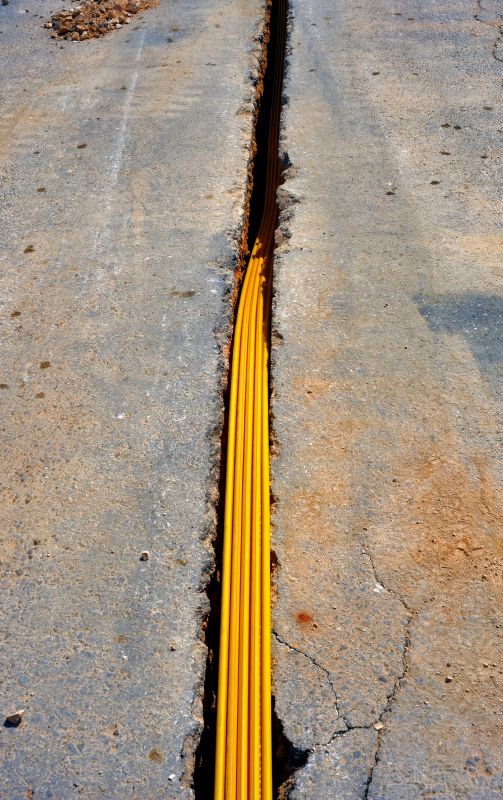
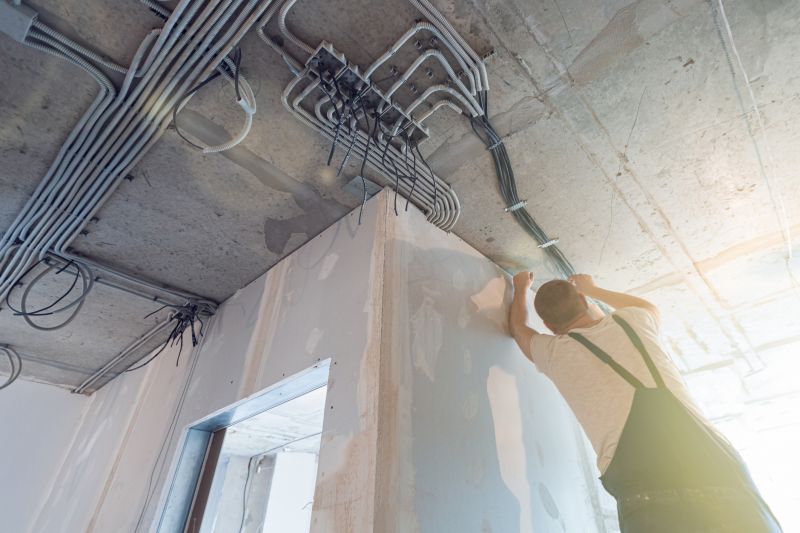
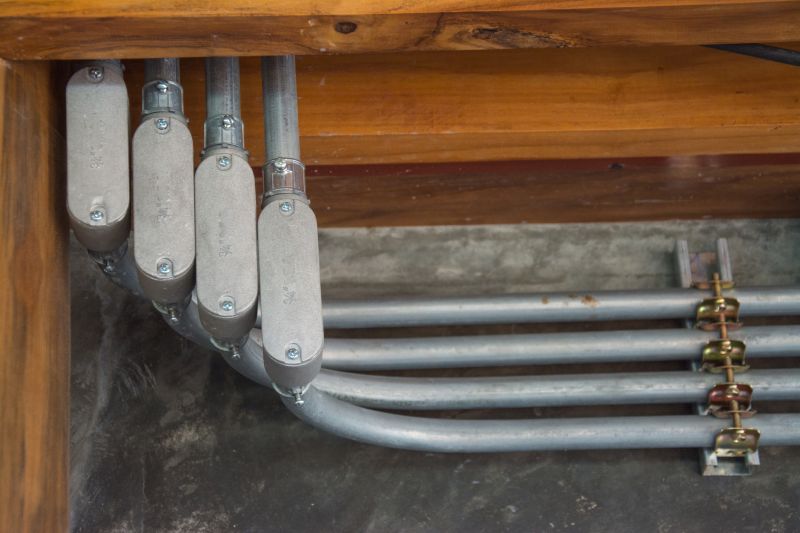
Conduit installation services involve setting up the system of pipes and channels that safely direct electrical wiring throughout a property. This process typically includes planning the layout, selecting appropriate conduit materials, and securely installing the conduits to ensure they protect the wiring from damage and environmental factors. Proper conduit installation helps create a neat, organized wiring system that can accommodate future upgrades or repairs, making electrical work safer and more efficient for homeowners.
These services are essential in addressing common electrical problems such as wiring damage, frequent electrical faults, or the need for additional circuits. When existing wiring is exposed or deteriorating, conduit installation can provide a protective barrier that prevents accidental damage, reduces fire hazards, and ensures compliance with electrical codes. It also helps streamline the process of adding new outlets, switches, or fixtures, making electrical upgrades less invasive and more manageable.
Conduit installation is often used in a variety of property types, including residential homes, multi-family buildings, and commercial properties. Homeowners may opt for conduit systems when building new houses, remodeling older homes, or upgrading electrical infrastructure to meet modern demands. Commercial property owners might choose conduit installation to ensure their electrical systems are durable, organized, and capable of supporting equipment and technology needs. This service is suitable for any property where reliable, protected wiring is a priority.
Homeowners who experience frequent electrical issues, notice exposed wiring, or are planning significant renovations often find conduit installation to be a practical solution. It is also a common choice when installing outdoor lighting, security systems, or other electrical components exposed to the elements. By connecting with local contractors who specialize in conduit installation, property owners can find experienced professionals capable of assessing their needs, recommending appropriate solutions, and ensuring the job is completed to high standards.
The overview below groups typical Conduit Installation projects into broad ranges so you can see how smaller, mid-sized, and larger jobs often compare in your area.
In many markets, a large share of routine jobs stays in the lower and middle ranges, while only a smaller percentage of projects moves into the highest bands when the work is more complex or site conditions are harder than average.
Smaller Repairs - Typical costs for minor conduit repairs or replacements usually fall between $250 and $600. Many routine jobs in this range are straightforward and common for local contractors. Larger or more complex repairs can sometimes reach $1,000 or more.
Basic Installation - Installing new conduit for a standard residential project generally costs between $1,000 and $3,000. Most projects of this size fall within this range, though larger homes or more intricate setups can increase the price.
Full System Replacement - Replacing an entire conduit system in a commercial or large residential property can range from $5,000 to $15,000 or higher. Many projects in this tier are significant but less common, with costs increasing based on size and complexity.
Complex or Custom Projects - Custom conduit installations or highly complex jobs can exceed $20,000 in some cases. These projects are less frequent and typically involve specialized requirements or extensive work by local service providers.
Actual totals will depend on details like access to the work area, the scope of the project, and the materials selected, so use these as general starting points rather than exact figures.
Electrical Wiring Projects - Installing wiring systems for residential or commercial buildings involves skills similar to conduit installation, including planning, routing, and securing electrical pathways.
Data and Communication Cable Installation - Setting up data cables and communication lines requires precise planning and knowledge of conduit pathways to ensure reliable connectivity.
Lighting Fixture Installation - Installing lighting fixtures often involves running conduit and wiring through walls and ceilings, utilizing similar skills to conduit setup.
Security System Wiring - Running wiring for security cameras and alarm systems involves planning and installing conduits to protect and organize cables effectively.
HVAC Control Wiring - Connecting HVAC control systems requires routing wiring through conduit channels, paralleling the skills used in conduit installation projects.
Electrical Panel and Breaker Box Setup - Installing and wiring electrical panels involves working with conduit systems to ensure safe and organized electrical distribution.
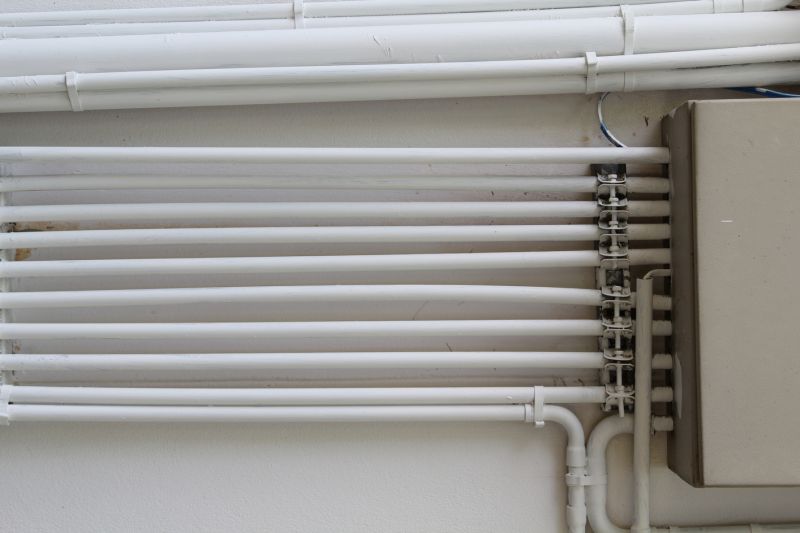
When comparing service providers for conduit installation, it is important to consider their experience with similar projects. Homeowners should look for local contractors who have a proven track record of completing conduit work comparable in scope and complexity. An experienced professional is more likely to understand the nuances of the installation process, adhere to industry standards, and handle unexpected challenges efficiently. Reviewing the types of projects a contractor has worked on can provide insight into their familiarity with conduit systems and their ability to deliver quality results.
Clear, written expectations are essential to ensure that both parties are aligned on the scope of work, materials, and responsibilities. Homeowners should seek out service providers who can provide detailed estimates or proposals that outline the specifics of the project. Having a well-defined plan helps prevent misunderstandings and ensures that the installation meets the homeowner’s needs. Reputable local contractors will communicate openly about what the job entails, making it easier to compare options based on the clarity and thoroughness of their written descriptions.
Good communication and reputable references are key factors when choosing conduit installation professionals. Reliable local service providers should be willing to share references or examples of past work, allowing homeowners to verify their experience and professionalism. Additionally, clear and prompt communication throughout the inquiry process indicates a contractor’s commitment to customer service. Homeowners are encouraged to ask questions and gather feedback from previous clients to gain confidence in the contractor’s ability to deliver a smooth and successful installation.
Property owners use Conduit Installation services for practical projects around their homes and businesses. This guide focuses on everyday jobs and straightforward project options.
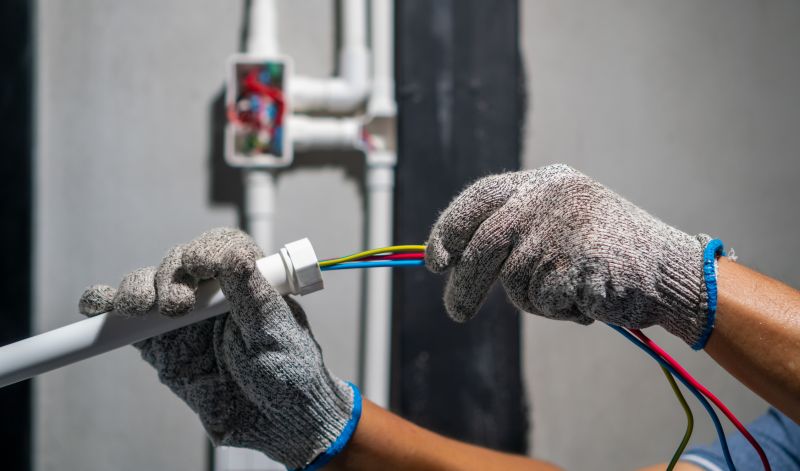
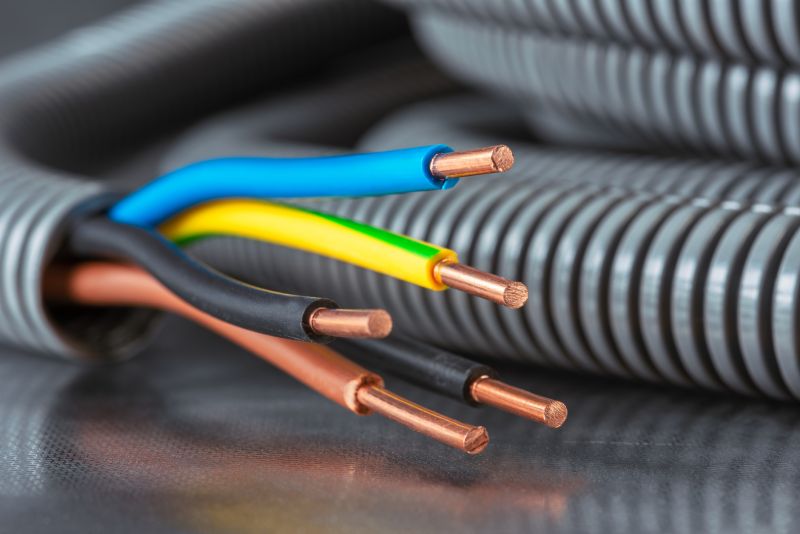
Conduit installation services are often needed when property owners are upgrading or expanding their electrical systems. Common situations include adding new outlets, installing outdoor wiring for lighting or appliances, or replacing outdated conduits that no longer meet safety or functionality needs. Local contractors can handle these projects efficiently, ensuring that wiring is properly protected and compliant with local standards, helping property owners maintain a safe and reliable electrical setup.
Property owners may also seek conduit installation when renovating or remodeling their homes or commercial spaces. Whether running new wiring through walls, basements, or attics, or replacing old conduits that have become damaged or corroded, local service providers can assist in completing these tasks smoothly. These projects often arise from the need to improve electrical performance or prepare a property for new equipment, making professional conduit installation a practical solution for maintaining a safe and functional property.
What is conduit installation? Conduit installation involves setting up protective tubing to house electrical wiring, ensuring safe and organized electrical systems in buildings.
Why should I hire local contractors for conduit installation? Local contractors have experience with building codes and infrastructure requirements specific to the area, helping ensure proper installation.
What types of conduit are commonly installed? Common types include PVC, metal, and flexible conduit, each suited for different applications and environments.
How do I find qualified service providers for conduit installation? You can compare local contractors through a lead generation platform that connects homeowners with experienced professionals.
What should I consider before choosing a conduit installation service? Consider the contractor’s experience, reputation, and ability to handle the specific type of conduit needed for the project.
Conduit Installation for New Constructions - Property owners building a new home or extension can work with local contractors to install electrical conduits during the construction phase.
Upgrading Existing Electrical Systems - Homeowners planning to update outdated wiring can have local pros install conduits to improve safety and accommodate future electrical needs.
Adding Outdoor or Underground Wiring - Property owners installing outdoor lighting, irrigation systems, or underground utilities can utilize conduit services to protect wiring from environmental damage.
Planning for Future Electrical Expansions - Those considering future electrical additions can have conduits installed proactively, making future upgrades easier and more organized.
If you are thinking about Conduit Installation for a property, this guide is meant to help you understand the work, the typical project types, and how different options might fit your plans.
When you are ready, you can use the quote form on this page to share a few details about your project. From there, local pros can review the basics and respond with options that match what you have in mind.